

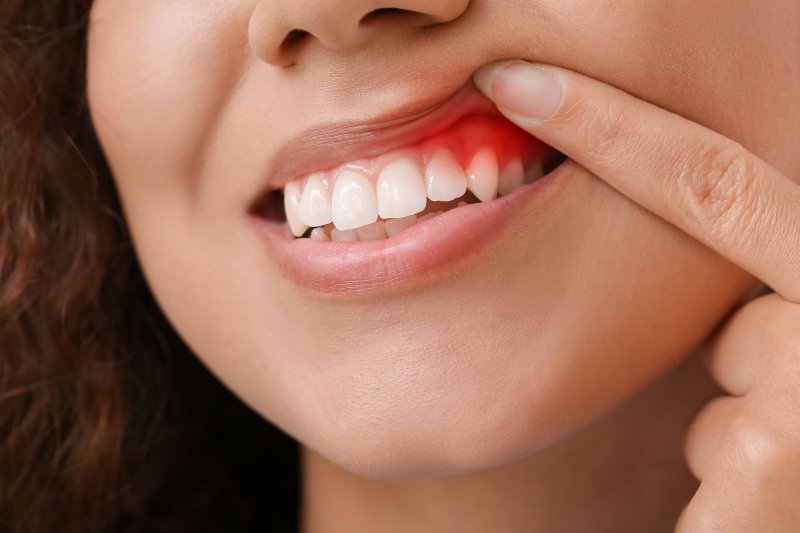
Advanced gum disease creates problems that extend to the underlying bone. It can even pose a risk to the rest of your body if the infection enters the bloodstream. To prevent this, you may wonder whether tooth extraction is the answer to treating gum disease. Can saying goodbye to your pearly whites also improve the health of your soft oral tissues? Read on to discover what really happens and what is required to put your smile back on track.
Does Tooth Extraction Get Rid of Gum Disease?
Unfortunately, no. The removal of your teeth does not mean that gum disease suddenly disappears. The reason is that it is an infection that attacks the soft oral tissues, not the teeth. While your pearly whites are certainly affected, it is the gums that need targeted treatment.
However, removing teeth that have become loose due to gum disease may be necessary to improve your oral health.
Why Should Teeth Be Removed When Treating Gum Disease?
Not all cases of gum disease require tooth removal; however, if the infection progresses to a more advanced stage, it can begin to attack the underlying bone. As a result, teeth can become loose, making it harder to keep them stable and healthy.
Your dentist may decide that extraction is best to prevent further weakening of your jawbone, a problem that can negatively affect the future of your smile.
How Will Gum Disease Be Treated?
Whether your teeth need to be removed or not, your gums still need proper treatment. This is where your dentist can provide effective methods to remove plaque and tartar. This can include:
- Scaling and root planing – This two-step process removes harmful buildup above and below the gumline so that the soft tissues will eventually reattach, heal, and make it harder for bacteria to form in the future.
- Soft tissue laser dentistry – Your dentist will reduce the bad bacteria in your mouth with a soft tissue dental laser. By removing the damaged areas with this innovative treatment, it ensures healthier gum tissue and a reduced risk of infection.
- Advanced periodontal procedures – These include gum grafting, cosmetic surgeries, and implant placement. Based on your oral healthcare needs, your dentist will choose the right procedure to conceal exposed tooth roots, create a more balanced gumline, or replace extracted teeth to prevent further bone loss.
Detecting gum disease in its earliest stages is the best way to keep your teeth in place and avoid more extensive and complex dental procedures. However, if the problem progresses, trust that solutions are available to help minimize the need for tooth extraction.
About Grand Dental – Franklin Park
At Grand Dental – Franklin Park, our team of dentists and specialists knows how to care for all types of smiles. Our in-house periodontist uses safe, strategic, and highly effective solutions to target harmful bacteria and address gum disease at every stage. If you are concerned that your oral tissues and teeth are at risk, visit our website or call (847) 860-7093 to schedule a consultation.